
The allure of risk and reward
The fundamental attraction of gambling at casinos often lies in the thrill of risk and reward, and many players enjoy the opportunities offered by platforms like 1win , where the chance to win significant sums of money can provide an exhilarating rush that is hard to resist. This psychological phenomenon taps into deep-rooted human instincts; the uncertainty of potential gain ignites excitement and anticipation. As players immerse themselves in games of chance, they experience heightened emotions that compel them to continue playing in hopes of achieving that elusive jackpot, making the experience both thrilling and addictive.
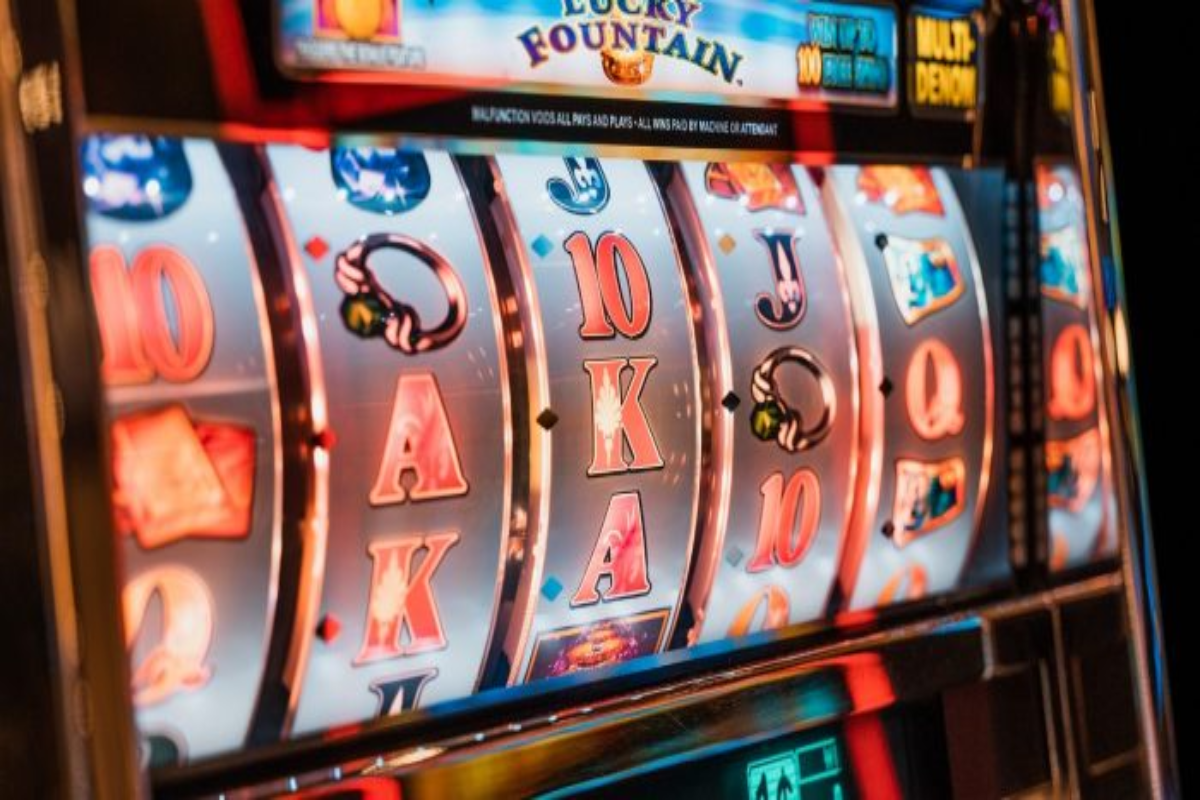
The brain’s reward system significantly influences why we indulge in gambling. When players win, their brains release dopamine, often referred to as the “feel-good” neurotransmitter, which reinforces their desire to gamble more. This biological reaction creates a cycle where the initial excitement derived from winning drives individuals to keep returning to the gaming floor, often ignoring the odds that are typically stacked against them. Casinos are expertly designed to maximize this psychological effect, featuring flashing lights, engaging sounds, and stimulating sensations that amplify the emotional experience associated with betting, drawing players deeper into the gambling environment.
Moreover, the concept of ‘variable rewards’—a principle derived from behavioral psychology—plays a pivotal role in why people gamble. Unlike predictable rewards, such as a steady paycheck, gambling offers unpredictable outcomes, which can be incredibly stimulating. The element of surprise acts as a powerful motivator, leading players to fixate on the possibility of a big win. This search for the next thrilling moment compels individuals to gamble more frequently and invest more money, often in pursuit of that elusive high that comes with risk and reward.
The social aspect of gambling
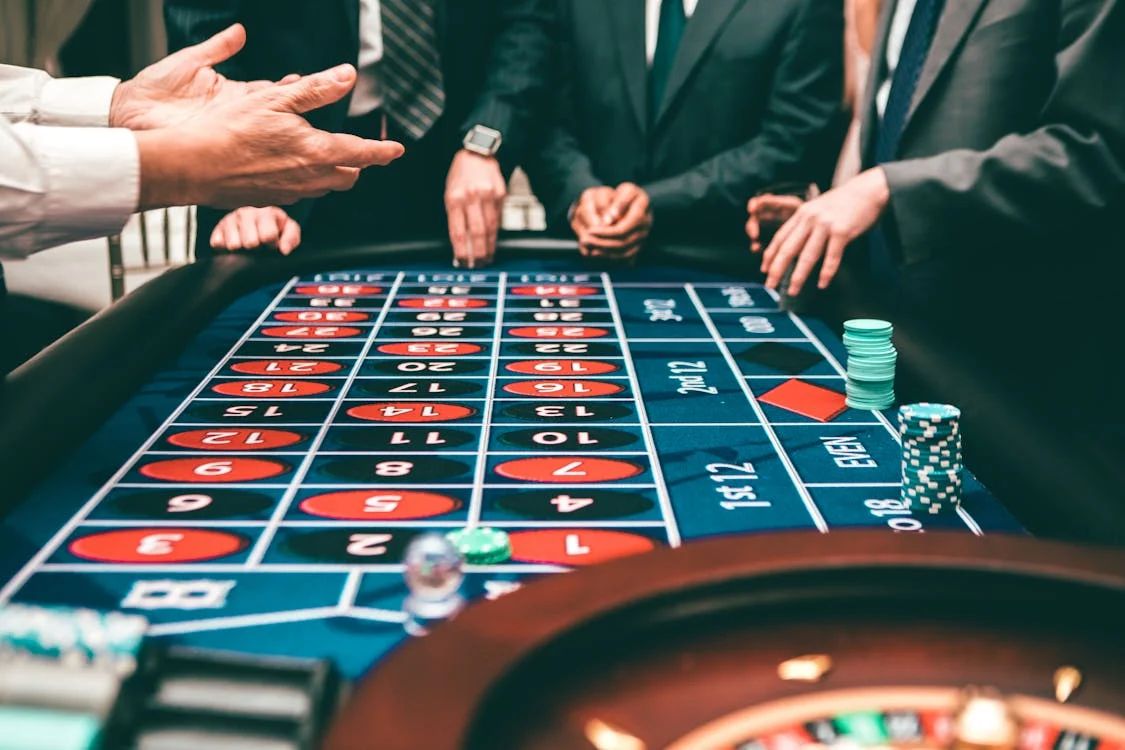
Gambling is not merely an individual pursuit; it often manifests as a social activity that significantly enhances its appeal. Many individuals choose to visit casinos alongside friends or family, creating shared experiences that foster a sense of camaraderie. This social dimension can make the act of gambling more enjoyable and emotionally satisfying, as players can celebrate wins together or share in the excitement of each game. The interactions and connections formed within the casino environment can act as a substantial draw, as people relish being part of a community sharing a common interest in the thrill of gaming.
Furthermore, the casino atmosphere encourages social engagement through various means, including tournaments, group games, and promotional events that build a sense of belonging among patrons. These activities can further enhance the inclination to return, as they create opportunities for social bonding and shared excitement. Additionally, the social aspects of gambling can serve as a means of escapism, allowing individuals to bond over shared thrills, providing a diversion from the routine pressures of everyday life.
However, the social dynamics of gambling can sometimes lead to negative consequences. For individuals with addictive tendencies, the drive for social interaction may encourage compulsive gambling behaviors. The allure of being part of a social group can overshadow personal caution, leading them to spend more than they can afford in pursuit of social acceptance and enjoyment. Consequently, while social aspects can serve as a positive force in gambling, they can also complicate individuals’ relationships with their gambling habits, potentially leading to financial and emotional distress.
The psychological escape
For many, gambling serves as a powerful form of escapism. The pressures of life can often feel overwhelming, and the casino environment offers a temporary reprieve from reality. Engaging in games provides an opportunity to immerse oneself in excitement and distraction, allowing gamblers to momentarily forget their problems. The vibrant lights, engaging sounds, and thrilling actions of the casino create a sensory overload that effectively transports individuals away from their daily stresses, making the experience alluring and addictive.
This desire for escape can be particularly appealing to those facing life challenges, such as financial difficulties or relationship problems. The casino environment fosters a sense of magic and possibility that starkly contrasts with everyday struggles. Unfortunately, this form of escapism can lead to problematic behaviors, as individuals may resort to gambling to cope with their emotions, ultimately finding themselves ensnared in a cycle of seeking relief through betting that can spiral out of control.
Moreover, gambling can also provide participants with a sense of control and power. Players might believe that their decisions and skills can influence outcomes, even in games that seem purely based on chance. This perception of control can be profoundly comforting for those facing uncertainties in their personal lives, making the casino appear as a refuge where they can exert influence over their fate. However, this illusion of control can be misleading, often resulting in greater financial and emotional turmoil as individuals struggle to reconcile their expectations with reality.
The influence of marketing and design
The design and marketing strategies employed by casinos play a critical role in shaping the gambling experience. From the moment patrons step into a casino, they are immersed in an environment meticulously crafted to stimulate their senses and encourage prolonged engagement. The layout, often characterized by a maze-like design, keeps players wandering and exploring, diminishing the likelihood of exiting and increasing the chances of continued spending. This strategic design fosters an atmosphere where players feel compelled to stay longer, contributing to the casino’s revenue.
Additionally, casinos utilize various marketing techniques to create a sense of urgency and exclusivity that entices players to return. Promotions, loyalty programs, and special events reinforce habitual gambling patterns, making it difficult for individuals to resist the call to play. The psychological manipulation involved in offering “free” bets or complimentary drinks can lower inhibitions and prompt players to gamble more than they might have otherwise, blurring the lines between sensible play and reckless behavior, leading to potential financial difficulties.
Casinos also employ psychological principles to craft an illusion of winning. By frequently showcasing small wins and near misses, players are led to believe that the next big payout is just around the corner. This manipulation fosters a hopeful mindset and perpetuates the gambling cycle, as players are drawn in by the prospect of success, even when the odds remain unfavorably low. Such strategies contribute to a gambling culture where players feel increasingly compelled to chase losses and continue playing despite the risks involved.
Understanding gambling behavior through research
Research into gambling behavior has provided valuable insights into the underlying psychological mechanisms that drive individuals to participate in gambling activities. Psychologists have explored various factors, including cognitive biases, social influences, and emotional triggers, to understand why people are drawn to casinos. This body of research continues to evolve, shedding light on the complexities of gambling behavior and highlighting the necessity of responsible gambling practices to mitigate potential harms.
One significant area of focus has been the identification of cognitive distortions that can lead to problematic gambling habits. Recognizing patterns such as the “gambler’s fallacy”—the belief that past outcomes influence future probabilities—helps illuminate the reasons some individuals become trapped in cycles of chasing losses. Understanding these cognitive biases empowers individuals to recognize their own thought patterns, enabling them to make informed decisions about their gambling activities and avoid the pitfalls of compulsive behavior.
Ongoing research is essential, as it contributes to the development of prevention strategies aimed at reducing gambling-related harm. By understanding the psychological factors that drive gambling addiction, researchers and mental health professionals can design effective interventions to help those struggling with gambling-related issues. The ultimate goal is to foster a healthier approach to gambling in society, emphasizing awareness and education to mitigate the potential negative consequences of this popular pastime, and promoting responsible engagement with gambling activities.